What is Recreational Therapy?

Rebuilding strength, regaining confidence, and rediscovering purpose through structured recreation, sports, and creative arts.

How It Helps PTSD & TBI Explore RT 101

Therapy Disguised as Living

Most people picture clinical therapy as sitting in an office staring at a wall, running on a treadmill under fluorescent hospital lights, or filling out repetitive workbooks. While those methods have their place, they can quickly feel draining.

Recreational Therapy (RT)—also referred to as Therapeutic Recreation—takes a fundamentally different path. Administered by trained healthcare professionals known as Certified Therapeutic Recreation Specialists (CTRS), RT uses meaningful, engaging activities you actually care about to restore physical function, process psychological trauma, and sharpen cognitive processing.

Whether the medium is adaptive mountain biking, kayaking, rock climbing, expressive music production, or wilderness expeditions, the activity is never just a way to kill time—it is a purposeful, systematic clinical intervention designed around your recovery goals.

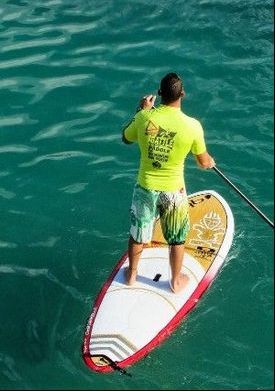
Recreational therapy participant taking part in adaptive outdoor activities
“Physical therapy helps you walk again. Occupational therapy helps you hold a fork again. Recreational therapy helps you remember why you wanted to live in the first place.”

How It Helps: PTSD & TBI Explained

Trauma and brain injuries do not just show up on clinical scans—they shake up your sleep, your mood, your reactions, and your ability to feel comfortable around other people. Here is how RT works to break that cycle in real life.

Understanding PTSD & RT

Trauma pushes your nervous system into chronic survival mode. Your heart races, your guards stay permanently up, and noisy, crowded spaces can trigger intense distress or panic.

Adrenaline Reset: High-focus outdoor pursuits like rock climbing, trail riding, or equine therapy demand absolute concentration in the present moment. They retrain your brain to experience elevated heart rates in an environment that is physically safe.

Non-Verbal Healing: You are not forced to sit on a couch and retell distressing memories. Music, creative arts, and physical challenges relieve internal pressure without requiring you to talk before you are ready.

Rebuilding Trust: Small-group challenges and outdoor expeditions break social isolation, proving firsthand that people and places can become safe again.

Understanding TBI & RT

A Traumatic Brain Injury (from a sports collision, vehicle crash, or blast impact) acts like sudden roadblocks across your neural highways. Focus fades quickly, balance feels off, and overstimulation happens fast.

Neuroplasticity in Motion: The human brain can build physical detours around damaged areas. Learning physical balance on a paddleboard or tracking rhythms on an instrument forces new neural pathways to form faster than static exercises.

Real Coordination: Archery, trail navigation, and adaptive sports challenge spatial awareness, muscle memory, and hand-eye balance in actual real-world conditions.

Executive Skills: Preparing outdoor gear, mapping transit routes, or following multisensory recipes rebuilds memory, planning, and task management naturally.

Explore the Rest of RT 101

Continue through our introductory guide to review specific modalities, the medical research supporting our work, and real accounts of recovery.

Types of Activities

Discover the full range of modalities—from equine-assisted therapy and adaptive sports to community outings and expressive arts.

View Activities →

Scientific Support

Examine peer-reviewed research, neuroplasticity data, and medical literature demonstrating measurable clinical outcomes.

Read Research →

Stories & Testimonials

Read firsthand accounts from individuals who reclaimed their independence and found community through recreational therapy.

Read Stories →